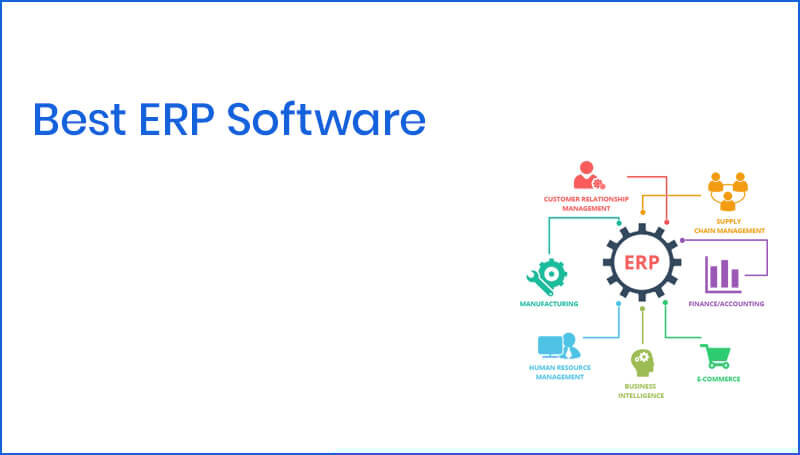
Welcome to the world of ERP software in the UAE! As businesses in this dynamic and fast-growing region continue to expand, the need for efficient and integrated software solutions has become increasingly essential. In this article, we will explore the various benefits that ERP software can offer to companies operating in the UAE, from streamlining operations to improving decision-making processes. Let’s delve into how ERP software can revolutionize your business operations and boost productivity in the UAE.
ERP Software Transforming Businesses in UAE
ERP software has revolutionized the way businesses operate in the UAE. Gone are the days of manual processes and disconnected systems. Now, with the implementation of ERP software, companies can streamline their operations, improve efficiency, and make better informed decisions. This technology is helping businesses in the UAE stay competitive in the global market.
One of the key ways in which ERP software is transforming businesses in the UAE is by centralizing data. In the past, companies may have had multiple systems that did not communicate with each other, leading to data silos and inefficiencies. With ERP software, all of a company’s data is stored in one central location, making it easy to access and analyze. This has resulted in faster decision-making processes, improved collaboration among departments, and a more streamlined workflow.
Another benefit of ERP software for businesses in the UAE is the automation of processes. Many routine tasks that used to be done manually can now be automated, saving time and reducing the risk of human error. This has allowed employees to focus on more important tasks that require critical thinking and creativity. Moreover, automated processes have improved the accuracy and reliability of data, leading to more effective business operations.
Furthermore, ERP software has enabled companies in the UAE to better manage their resources. The software provides real-time visibility into inventory levels, sales performance, and financial data, allowing businesses to make informed decisions about resource allocation and planning. This has resulted in more efficient use of resources, reduced waste, and improved profitability for companies in the UAE.
Additionally, ERP software has played a vital role in promoting collaboration and communication within organizations in the UAE. With all data accessible from one central location, employees from different departments can easily share information and work together on projects. This has led to improved teamwork, faster problem-solving, and increased productivity among employees.
In conclusion, ERP software has been a game-changer for businesses in the UAE. From centralizing data to automating processes to improving resource management, this technology has transformed the way companies operate in the region. By embracing ERP software, businesses in the UAE are able to stay competitive, adapt to changing market conditions, and thrive in the digital age.
Benefits of Implementing ERP Software in UAE
Implementing ERP software in the United Arab Emirates (UAE) can bring about a multitude of benefits for businesses operating in this rapidly growing economy. From streamlining operations to increasing efficiency, here are some of the key advantages of integrating ERP software in UAE:
1. Improved Efficiency: One of the primary benefits of implementing ERP software in UAE is the significant boost in efficiency it provides to businesses. By centralizing all data and automating processes, ERP software eliminates the need for manual data entry and reduces the risk of human error. This results in faster decision-making and streamlined operations, ultimately leading to increased productivity across all departments.
2. Enhanced Data Security: In today’s digital age, data security is a top priority for businesses in UAE. With ERP software, companies can rest assured that their sensitive information is protected through robust security features such as encryption, access controls, and regular backups. This helps businesses comply with data protection regulations and safeguards against potential cyber threats, giving them peace of mind when it comes to their data.
3. Real-time Insights: Another major benefit of ERP software in UAE is the ability to access real-time data and analytics. This allows businesses to make informed decisions quickly, based on up-to-date information from all departments. With customizable reporting tools and dashboards, businesses can track key performance indicators, monitor inventory levels, and analyze sales trends in real-time, giving them a competitive edge in the market.
4. Scalability: As businesses in UAE continue to expand and grow, the scalability of ERP software becomes crucial. Whether a company is a small startup or a large enterprise, ERP software can adapt to the changing needs of the business. With the ability to add new modules and users as required, businesses can scale their ERP system to accommodate growth without disrupting their operations.
5. Cost Savings: Implementing ERP software in UAE can result in significant cost savings for businesses. By streamlining processes, eliminating inefficiencies, and reducing manual labor, ERP software helps businesses cut down on operational costs. Additionally, by providing a centralized platform for all business operations, ERP software reduces the need for multiple standalone systems, saving on maintenance and integration expenses.
6. Improved Customer Service: With ERP software, businesses in UAE can enhance their customer service by providing quicker response times, accurate order processing, and personalized communication. By having access to real-time customer data and order history, businesses can better understand and cater to the needs of their clients, ultimately increasing customer satisfaction and loyalty.
Overall, implementing ERP software in UAE offers a wide range of benefits that can help businesses thrive in a competitive market. From improved efficiency and data security to real-time insights and cost savings, ERP software is a valuable investment that can drive growth and success for businesses in the United Arab Emirates.
Top ERP Software Providers in UAE
There are several top ERP software providers in UAE that cater to the diverse needs of businesses in the region. These providers offer comprehensive solutions that streamline business processes, increase efficiency, and drive growth. Here are three of the top ERP software providers in UAE:
1. SAP: SAP is a leading provider of ERP software in UAE, offering a range of solutions that cover various industries such as manufacturing, retail, healthcare, and more. SAP’s ERP software helps businesses in UAE automate processes, optimize workflows, and make data-driven decisions. With SAP’s ERP software, businesses can improve productivity, reduce costs, and enhance customer satisfaction.
2. Oracle: Oracle is another top ERP software provider in UAE, offering a suite of cloud-based ERP solutions that are scalable and customizable. Oracle’s ERP software helps businesses in UAE streamline their operations, improve collaboration, and adapt to changing market dynamics. With Oracle’s ERP software, businesses can gain real-time visibility into their operations, make informed decisions, and drive business growth.
3. Microsoft Dynamics 365: Microsoft Dynamics 365 is a popular choice among businesses in UAE for ERP software. It offers a suite of integrated applications that cover various business functions such as sales, customer service, finance, and operations. Microsoft Dynamics 365 helps businesses in UAE break down silos, improve collaboration, and deliver personalized customer experiences. With Microsoft Dynamics 365, businesses in UAE can achieve operational excellence, drive innovation, and accelerate growth.
Key Features to Look for in an ERP Software in UAE
When choosing an ERP software in UAE, there are several key features that you should look for to ensure that you are getting the most out of your investment. These features will not only help streamline your business processes but also improve efficiency and productivity. Here are some of the top features to consider:
1. Customization
One of the most important features to look for in an ERP software in UAE is the ability to customize the system to meet your specific business needs. Every industry and every organization is unique, so it’s important that your ERP software can be tailored to fit your company’s requirements. Look for a system that offers customizable modules, workflows, and reporting tools so that you can create a system that works best for your business.
2. Cloud-Based Technology
In today’s digital age, cloud-based ERP software is becoming increasingly popular for businesses in UAE. Cloud-based ERP solutions offer greater flexibility, scalability, and accessibility compared to traditional on-premise systems. With a cloud-based ERP software, you can access your business data from anywhere at any time, making it easier to collaborate with remote teams and make real-time decisions.
3. Integration Capabilities
Another important feature to consider when choosing an ERP software in UAE is its integration capabilities. Your ERP system should be able to seamlessly integrate with other third-party applications and software that your business relies on. This will help streamline processes, reduce manual data entry, and improve overall efficiency.
4. Mobile Accessibility
In today’s fast-paced business environment, it’s essential that your ERP software offers mobile accessibility. Look for a system that has a mobile app or a responsive design that allows you to access important business data on-the-go. This feature will allow you to stay connected and make informed decisions even when you are away from the office. Whether you are attending a client meeting or traveling for business, having access to real-time data on your mobile device can help you stay on top of your operations.
5. Data Security
When choosing an ERP software in UAE, data security should be a top priority. Make sure that the system you choose has robust security features in place to protect your sensitive business data. Look for features such as encryption, user authentication, and regular data backups to ensure that your information is safe from cyber threats and data breaches.
By considering these key features when selecting an ERP software in UAE, you can ensure that you are choosing a system that will help your business thrive and grow in the competitive market.
Tips for Successful ERP Implementation in UAE
Implementing an ERP software system in the UAE can be a complex and challenging process. However, with the right approach and careful planning, you can ensure a successful implementation that meets your business needs. Here are some tips to help you navigate the process:
1. Clearly Define Your Objectives: Before you begin the implementation process, it’s crucial to clearly define your objectives. What do you hope to achieve with the ERP system? Are you looking to streamline processes, improve efficiency, or enhance decision-making? By clearly outlining your goals, you can ensure that the ERP system is designed to meet your specific needs.
2. Get Buy-In From Key Stakeholders: Implementing an ERP system is a significant investment, both in terms of time and resources. To ensure the success of the project, it’s essential to get buy-in from key stakeholders within your organization. Involve department heads, managers, and employees who will be using the system in the decision-making process to increase engagement and ensure a smooth transition.
3. Choose the Right ERP Solution: With so many ERP software options available in the market, it’s crucial to choose a solution that aligns with your business requirements. Consider factors such as scalability, functionality, ease of use, and vendor support before making a decision. Look for a system that can grow with your business and meet your evolving needs.
4. Conduct Thorough Training: One of the most common reasons for ERP implementation failures is a lack of proper training. To ensure a successful rollout, invest in comprehensive training for your employees. Make sure they understand how to use the system effectively and provide ongoing support to address any questions or concerns that may arise.
5. Develop a Change Management Plan: Implementing an ERP system often involves significant changes to your business processes and workflows. To ensure a smooth transition, develop a comprehensive change management plan that addresses how the new system will impact employees, workflows, and overall operations. Communicate regularly with employees, address their concerns, and provide support every step of the way.
By following these tips, you can increase the likelihood of a successful ERP implementation in UAE. Remember that every organization is unique, so it’s essential to tailor your approach to meet your specific needs and goals. With proper planning, communication, and training, you can leverage ERP software to drive efficiency, improve productivity, and achieve your business objectives.
Originally posted 2025-02-02 14:43:39.