Welcome to our guide on streamlining business operations through the top ERP software solutions available in the UAE! In a world where efficiency and organization are key to success, finding the right ERP software can make all the difference in running a smooth and productive operation. From managing finances to tracking inventory, these solutions offer a wide range of tools to streamline processes and maximize productivity. Let’s take a closer look at some of the top ERP software solutions in the UAE that can help take your business to the next level.
Overview of ERP Software in UAE
Enterprise Resource Planning (ERP) software is a powerful tool that helps businesses in streamlining processes, improving efficiency, and gaining better insights into their operations. In the UAE, ERP software is widely adopted by companies of all sizes and industries to stay competitive in the market and enhance their overall productivity.
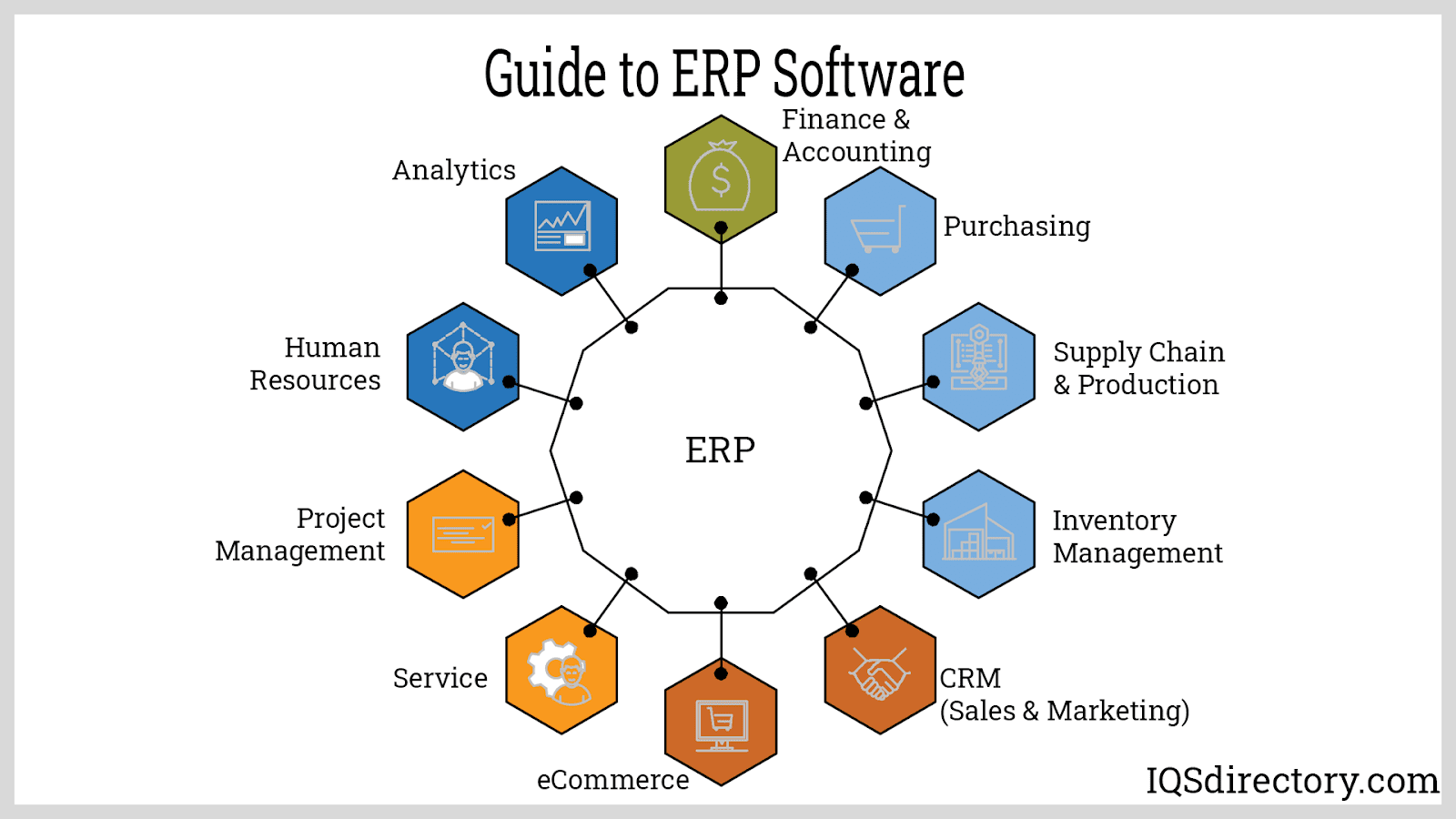
ERP systems in the UAE offer a comprehensive solution that integrates various functions such as finance, human resources, supply chain management, customer relationship management, and more into a unified platform. This allows organizations to automate tasks, improve communication between departments, and make data-driven decisions based on real-time information.
One of the key benefits of ERP software in the UAE is its ability to provide a holistic view of the business operations by consolidating data from different sources into one centralized database. This enables decision-makers to have a clear understanding of the company’s performance, identify areas for improvement, and strategize for future growth.
Furthermore, ERP software in the UAE is customizable to meet the specific needs of each business. Whether it’s adapting to local regulations, implementing industry-specific modules, or integrating with third-party applications, ERP systems can be tailored to fit the unique requirements of the organization.
With the rapid digitization and technological advancements in the UAE, the demand for ERP software is only expected to grow. Businesses are increasingly recognizing the importance of investing in digital transformation to stay ahead of the competition and drive innovation within their operations.
In conclusion, ERP software in the UAE plays a crucial role in helping businesses streamline processes, optimize resources, and make informed decisions for sustainable growth. With its comprehensive features, customizable options, and scalability, ERP systems are becoming an indispensable tool for companies looking to succeed in the dynamic and competitive business landscape of the UAE.
Benefits of Implementing ERP in the UAE
Implementing an ERP system in the UAE can have numerous benefits for businesses of all sizes. From improving operational efficiency to enhancing decision-making capabilities, ERP software offers a wide range of advantages. Below are some of the key benefits of implementing ERP in the UAE:
1. Streamlined Processes: One of the main benefits of ERP software is the ability to streamline business processes. By consolidating all data and information into a single, integrated system, ERP eliminates the need for multiple systems and manual data entry. This helps to reduce the likelihood of errors and duplication of data, leading to smoother and more efficient operations.
2. Enhanced Productivity: With ERP software, employees can access real-time data and information at their fingertips. This not only saves time but also enables them to make more informed decisions quickly. By automating repetitive tasks and providing visibility into various business processes, ERP helps employees work more efficiently and effectively. This increased productivity can lead to cost savings and improved overall performance.
3. Better Decision Making: ERP systems provide businesses with a comprehensive view of their operations, allowing for better decision-making. With access to accurate and up-to-date data, managers can analyze trends, identify opportunities, and make strategic decisions based on real-time information. This visibility enables businesses to respond quickly to changing market conditions and stay ahead of the competition.
4. Improved Customer Service: By centralizing customer data and providing a complete view of customer interactions, ERP software can enhance customer service levels. With access to customer history, preferences, and purchase patterns, businesses can deliver personalized services, resolve issues promptly, and build stronger relationships with their customers. This leads to increased customer satisfaction and loyalty.
5. Cost Savings: Implementing ERP software can result in significant cost savings for businesses. By streamlining processes, reducing manual tasks, and improving efficiency, ERP helps to minimize operational costs. Additionally, by providing better visibility into operations, ERP can identify areas for cost optimization and resource allocation. These cost savings can have a positive impact on the bottom line and help businesses remain competitive in the market.
Overall, the benefits of implementing ERP in the UAE are far-reaching and can transform the way businesses operate. From streamlining processes to improving decision-making capabilities, ERP software offers numerous advantages that can drive growth and success. By investing in ERP technology, businesses in the UAE can position themselves for long-term success and stay ahead in today’s competitive business landscape.
Top ERP Solutions in the UAE Market
ERP (Enterprise Resource Planning) software has become an essential tool for businesses in the UAE looking to streamline their operations and increase efficiency. With a wide range of ERP solutions available in the market, it can be overwhelming for companies to choose the right system for their specific needs. Here are the top ERP solutions in the UAE market that are popular among businesses:
1. SAP Business One: SAP Business One is a comprehensive ERP solution designed for small to medium-sized businesses. It offers modules for finance, sales, purchasing, inventory, and production, allowing businesses to manage all aspects of their operations in one integrated system. SAP Business One is known for its user-friendly interface and scalability, making it a popular choice for growing companies in the UAE.
2. Microsoft Dynamics 365: Microsoft Dynamics 365 is a cloud-based ERP solution that offers modules for finance, sales, customer service, and operations. It integrates seamlessly with other Microsoft products such as Office 365 and Power BI, providing businesses with a complete ecosystem for managing their operations. Microsoft Dynamics 365 is highly customizable and can be tailored to suit the unique needs of each business in the UAE.
3. Oracle NetSuite: Oracle NetSuite is a cloud-based ERP solution that is popular among businesses of all sizes in the UAE. It offers modules for financial management, inventory management, CRM, and e-commerce, providing companies with a comprehensive platform for running their operations. Oracle NetSuite is known for its flexibility and scalability, making it suitable for businesses across various industries in the UAE.
Oracle NetSuite also offers industry-specific solutions for sectors such as retail, manufacturing, and services, allowing companies to customize the system to meet their specific requirements. With real-time reporting and analytics capabilities, Oracle NetSuite helps businesses in the UAE make informed decisions and drive growth.
Overall, these top ERP solutions in the UAE market offer businesses the tools they need to streamline their operations, improve efficiency, and drive growth. Whether you are a small startup or a large enterprise, investing in the right ERP system can help you stay competitive in the fast-paced business landscape of the UAE.
Key Features to Look for in ERP Software for UAE Businesses
When selecting an ERP software for your business in the UAE, there are several key features that you should look for to ensure that the software meets the specific needs of your company. These features can help improve efficiency, streamline processes, and increase productivity. Here are some key features to consider:
1. Customization: One of the most important features to look for in ERP software for UAE businesses is the ability to customize the system to fit the unique requirements of your company. This includes the ability to add or remove modules, customize workflows, and adapt the software to your specific industry.
2. Cloud-Based Technology: Many businesses in the UAE are transitioning to cloud-based ERP systems because of their flexibility, scalability, and cost-effectiveness. Cloud-based ERP software allows employees to access the system from anywhere with an internet connection, making it ideal for businesses with multiple locations or remote employees.
3. Multi-Currency and Multi-Language Support: In the UAE, where businesses frequently deal with international clients and suppliers, it is crucial for ERP software to support multiple currencies and languages. This feature allows for seamless transactions and communication with overseas partners, eliminating the need for manual conversions or language barriers.
4. VAT Compliance: With the introduction of VAT in the UAE in recent years, it is essential for ERP software to be compliant with local tax regulations. Look for software that includes VAT calculation tools, reporting features, and automated processes to ensure that your business remains compliant with tax laws.
5. Mobile Accessibility: In today’s fast-paced business environment, it is important for employees to have access to ERP systems on the go. Look for ERP software that offers mobile accessibility, allowing employees to access data, approve workflows, and make decisions from their smartphones or tablets.
6. Integration Capabilities: To maximize the efficiency of your ERP system, it is crucial that the software can integrate seamlessly with other essential business applications such as CRM, HR, and e-commerce platforms. Integration capabilities streamline processes, reduce manual data entry, and ensure that information is accurate and up to date across all systems.
7. Real-Time Reporting: Timely and accurate reporting is essential for making informed business decisions. Look for ERP software that offers real-time reporting capabilities, allowing you to track key performance indicators, generate customized reports, and gain insights into your business operations at any time.
By considering these key features when selecting an ERP software for your business in the UAE, you can ensure that the system meets your specific requirements and helps drive growth and success in your company.
Challenges of Implementing ERP in the UAE
Implementing an ERP system in the UAE can be a daunting task due to various challenges that organizations may face. Here are some of the common challenges encountered:
1. Cultural Differences: The UAE is a melting pot of cultures and nationalities, with a workforce that is diverse in terms of language, customs, and business practices. This diversity can pose a challenge when implementing ERP systems that may not be tailored to the unique cultural requirements of the region.
2. Regulatory Compliance: The UAE has strict regulations when it comes to data privacy and security. Organizations implementing ERP systems need to ensure that their systems comply with local laws and regulations, which can be a complex process.
3. Limited Local Expertise: The talent pool for ERP implementation in the UAE may be limited, making it difficult for organizations to find skilled professionals who are well-versed in the intricacies of ERP systems. This can lead to delays and cost overruns in the implementation process.
4. Integration with Legacy Systems: Many organizations in the UAE still rely on legacy systems for their day-to-day operations. Integrating these systems with new ERP solutions can be a challenge, as it requires careful planning and execution to ensure a smooth transition.
5. Resistance to Change: One of the biggest challenges of implementing ERP systems in the UAE is resistance to change from employees. Many workers may be accustomed to traditional methods of operation and may be reluctant to adopt new technologies. This resistance can hinder the successful implementation and adoption of ERP systems within the organization.
Solution: To address these challenges, organizations in the UAE can take proactive measures such as providing comprehensive training to employees, ensuring open communication throughout the implementation process, and involving key stakeholders in decision-making. By addressing these challenges head-on, organizations can successfully implement ERP systems that drive efficiency and productivity in the UAE.
Originally posted 2025-02-02 10:57:00.