Best ERP Systems for Small Distribution Businesses
Hello there, small business owner! If you’re running a distribution business and looking to streamline your operations, you’ve come to the right place. Finding the best ERP system for your small distribution business can be a game-changer, saving you time and money while improving efficiency. Let’s dive into some of the top ERP systems that are perfect for small distribution businesses, so you can make an informed decision and take your business to the next level.
Overview of ERP for small distribution businesses
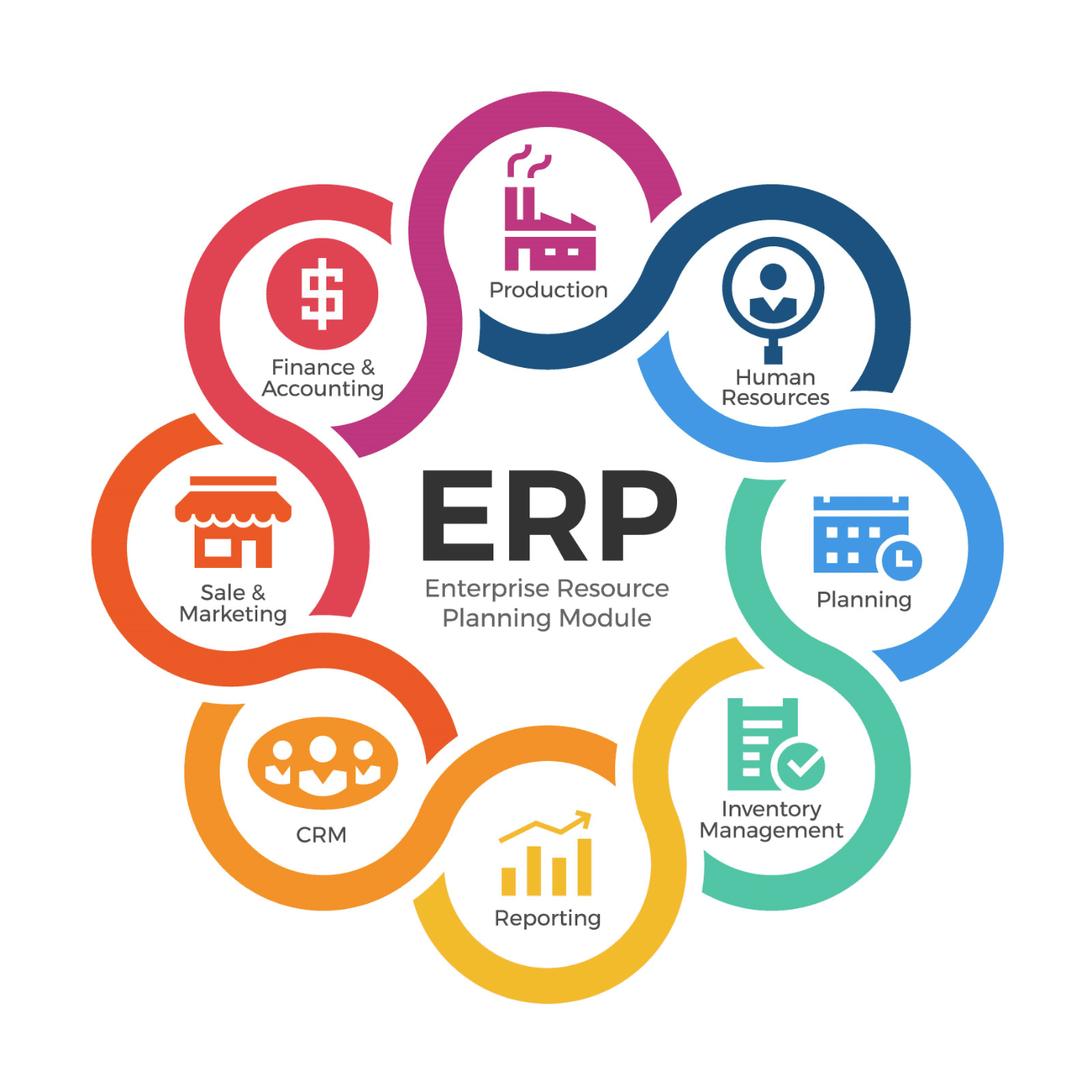
ERP, or Enterprise Resource Planning, is a software solution that integrates various business functions such as inventory management, order processing, accounting, human resources, and customer relationship management into a single system. This integrated approach allows small distribution businesses to streamline operations, improve efficiency, and make better-informed decisions.
For small distribution businesses, ERP can be a game-changer. By automating manual tasks and providing real-time insights into various aspects of the business, ERP empowers small businesses to compete with larger competitors on a more level playing field.
One of the key benefits of ERP for small distribution businesses is increased efficiency. With all business functions centralized in one system, employees can access information quickly and easily, reducing the time and effort needed to complete tasks. This efficiency not only saves time but also reduces the likelihood of errors, leading to improved accuracy in processes.
Another advantage of ERP for small distribution businesses is improved inventory management. By integrating inventory control with other functions such as sales and purchasing, ERP helps businesses maintain optimal stock levels, reduce stockouts, and minimize excess inventory. This leads to cost savings and better customer service, as businesses can fulfill orders more quickly and accurately.
Additionally, ERP can provide small distribution businesses with valuable insights into their operations through customizable reporting and analytics tools. By tracking key performance indicators and generating reports on sales, expenses, and other metrics, businesses can identify trends, spot opportunities for growth, and make data-driven decisions.
Furthermore, ERP can help small distribution businesses enhance customer satisfaction. By centralizing customer data and providing real-time updates on orders and deliveries, businesses can improve communication with customers, ensure timely deliveries, and address any issues promptly. This leads to better customer relationships and increased customer loyalty.
In conclusion, ERP is a powerful tool for small distribution businesses looking to improve efficiency, streamline operations, and boost profitability. By integrating various business functions into a single system, ERP helps businesses make better-informed decisions, reduce costs, and provide better service to customers. With the right ERP solution, small distribution businesses can level the playing field and compete more effectively in today’s competitive marketplace.
Key features to look for in an ERP system for small distribution businesses
When choosing an ERP system for your small distribution business, it’s important to look for key features that will streamline your operations and help you achieve your business goals. Here are some essential features to consider:
1. Inventory management: One of the most critical features to look for in an ERP system for a small distribution business is robust inventory management capabilities. The system should allow you to track your inventory levels in real-time, manage stock across multiple warehouses, set reorder points, and generate reports to help you make informed decisions about your inventory needs. This will help you prevent stockouts, reduce excess inventory, and improve overall efficiency.
2. Warehouse management: Another important feature to look for in an ERP system for small distribution businesses is warehouse management functionality. This includes features such as picking and packing, shipping and receiving, barcode scanning, and order fulfillment. A good ERP system will help you optimize your warehouse operations, improve accuracy, and increase productivity by automating tasks and providing real-time visibility into your warehouse activities.
3. Order management: Efficient order processing is crucial for a small distribution business, and your ERP system should have robust order management capabilities. This includes features such as order entry, tracking, invoicing, and returns processing. The system should be able to handle orders from multiple sales channels, integrate with your e-commerce platform, and provide real-time updates on order status to help you deliver exceptional customer service.
4. Integration with accounting software: To streamline your financial processes, it’s important to choose an ERP system that integrates seamlessly with your accounting software. This will allow you to automate tasks such as invoicing, payment processing, and financial reporting, reducing the risk of errors and ensuring accurate financial data for decision-making.
5. Reporting and analytics: A good ERP system should provide robust reporting and analytics capabilities to help you track key performance indicators, monitor trends, and make data-driven decisions. Look for features such as customizable dashboards, real-time reporting, and advanced analytics tools that will help you gain insights into your business operations and identify areas for improvement.
6. Scalability and flexibility: As your small distribution business grows, your ERP system should be able to scale with you. Look for a system that is flexible enough to adapt to your changing needs and can accommodate new users, locations, or product lines without requiring significant reconfiguration. This will help you future-proof your investment and ensure that your ERP system continues to support your business as it evolves.
By considering these key features when choosing an ERP system for your small distribution business, you can invest in a solution that will help you streamline your operations, improve efficiency, and drive growth. Take the time to evaluate your options and choose a system that aligns with your business goals and budget, so you can enjoy the benefits of an ERP system tailored to your specific needs.
Case studies of successful implementation of ERP in small distribution businesses
Implementing an ERP system in a small distribution business can seem like a daunting task, but with the right approach and support, it can lead to significant growth and efficiency improvements. Here are three case studies of successful ERP implementations in small distribution businesses:
Case Study 1: XYZ Distributors
XYZ Distributors is a small distribution business that struggled with inventory management and order processing before implementing an ERP system. After conducting a thorough analysis of their business processes and requirements, they decided to invest in an ERP solution specifically designed for small businesses. The implementation process was smooth, with minimal disruptions to their day-to-day operations. The ERP system helped streamline their inventory management, order processing, and customer relationship management, resulting in improved efficiency and accuracy. XYZ Distributors saw a significant increase in sales and customer satisfaction within the first year of implementing the ERP system.
Case Study 2: ABC Logistics
ABC Logistics is a small distribution business that faced challenges in managing their supply chain and tracking shipments before implementing an ERP system. They chose an ERP solution that offered robust supply chain management capabilities and real-time tracking features. The implementation process involved training their employees on how to use the new system effectively. With the ERP system in place, ABC Logistics was able to streamline their supply chain operations, improve shipment tracking accuracy, and reduce lead times. As a result, they were able to offer better services to their customers and win new business opportunities.
Case Study 3: LMN Wholesalers
LMN Wholesalers is a small distribution business that struggled with manual processes and data entry errors before implementing an ERP system. They opted for a cloud-based ERP solution that offered scalability and flexibility to support their growing business needs. The implementation process involved migrating their data to the cloud platform and training their employees on how to use the new system efficiently. With the ERP system, LMN Wholesalers were able to automate repetitive tasks, eliminate data entry errors, and gain real-time visibility into their operations. This led to a significant improvement in their productivity and decision-making processes, ultimately driving business growth and profitability.
These case studies demonstrate the positive impact that an ERP system can have on small distribution businesses. By choosing the right ERP solution and implementing it effectively, small businesses can streamline their operations, improve efficiency, and drive profitability.
Benefits of using ERP for improving efficiency and profitability in small distribution businesses
Enterprise Resource Planning (ERP) systems are essential tools for small distribution businesses looking to streamline their operations and maximize profitability. By integrating various business functions into a single system, ERPs can help companies automate processes, improve data accuracy, and make better-informed decisions. Here are some key benefits of using ERP for improving efficiency and profitability in small distribution businesses:
1. Streamlined Operations: One of the main benefits of ERP systems is their ability to centralize and automate key business functions such as inventory management, order processing, and accounting. By consolidating these functions into a single system, small distribution businesses can eliminate manual processes, reduce errors, and improve overall efficiency. This streamlined approach allows employees to focus on more strategic tasks, ultimately leading to cost savings and increased productivity.
2. Improved Data Accuracy: Another important benefit of ERP systems is their ability to provide real-time, accurate data on various aspects of the business. By capturing data from different departments and modules, ERPs can generate insightful reports and analytics that help decision-makers make informed choices. This transparent view of the business enables small distribution companies to identify trends, track performance, and proactively address issues before they escalate.
3. Enhanced Customer Service: ERP systems can also help small distribution businesses enhance their customer service by providing a holistic view of customer interactions and preferences. By storing customer data in a centralized database, companies can personalize marketing campaigns, anticipate customer needs, and deliver timely responses to inquiries. This level of personalized service not only improves customer satisfaction but also fosters long-term loyalty and repeat business.
4. Cost Savings and Increased Profitability: Perhaps the most significant benefit of using ERP for small distribution businesses is the potential for cost savings and increased profitability. By streamlining operations, improving data accuracy, and enhancing customer service, companies can reduce overhead costs, minimize wastage, and optimize resource utilization. This cost optimization, coupled with improved efficiency, ultimately leads to higher profitability and a competitive edge in the market.
Furthermore, ERPs can help small distribution businesses identify new revenue opportunities, track performance metrics, and make data-driven decisions that align with their business goals. By leveraging the capabilities of ERP systems, companies can stay ahead of the competition, adapt to changing market dynamics, and achieve sustainable growth in the long run.
In conclusion, implementing an ERP system is a strategic investment for small distribution businesses looking to improve efficiency, drive profitability, and stay competitive in today’s fast-paced market. By harnessing the power of ERP technology, companies can streamline operations, enhance customer service, and unlock new growth opportunities that pave the way for long-term success.
Tips for selecting the best ERP solution for small distribution businesses
Running a small distribution business comes with its own set of challenges, but implementing the right ERP (Enterprise Resource Planning) solution can help streamline operations and improve efficiency. Here are some tips to consider when selecting the best ERP solution for your small distribution business.
1. Identify your specific needs and goals:
Before you start looking at different ERP solutions, it’s important to identify your specific needs and goals. Consider what features are essential for your distribution business, such as inventory management, order processing, or customer relationship management. Make a list of your requirements and prioritize them based on their importance to your business operations.
2. Consider scalability and flexibility:
As a small distribution business, you may be looking for an ERP solution that can grow with your business. Consider the scalability and flexibility of the ERP system to ensure that it can accommodate your evolving business needs in the future. Look for a solution that is easily customizable and can be tailored to meet your specific requirements.
3. Evaluate integration capabilities:
Integration capabilities are crucial when selecting an ERP solution for your small distribution business. Make sure the ERP system can seamlessly integrate with your existing software systems, such as accounting or CRM software. This will help reduce manual data entry, improve data accuracy, and provide a more holistic view of your business operations.
4. Look for user-friendly interface:
Ease of use is key when selecting an ERP solution for your small distribution business. Look for a system with a user-friendly interface that is easy to navigate and understand. This will help ensure that your employees can quickly adopt the new system and minimize disruptions to your daily operations.
5. Consider cloud-based solutions:
Cloud-based ERP solutions have gained popularity among small businesses due to their affordability, scalability, and accessibility. With a cloud-based ERP system, you can access your business data from anywhere, at any time, allowing for greater flexibility and collaboration among your team members. Additionally, cloud-based solutions typically require lower upfront costs and maintenance fees, making them a cost-effective option for small distribution businesses.
Originally posted 2025-02-02 08:43:10.